


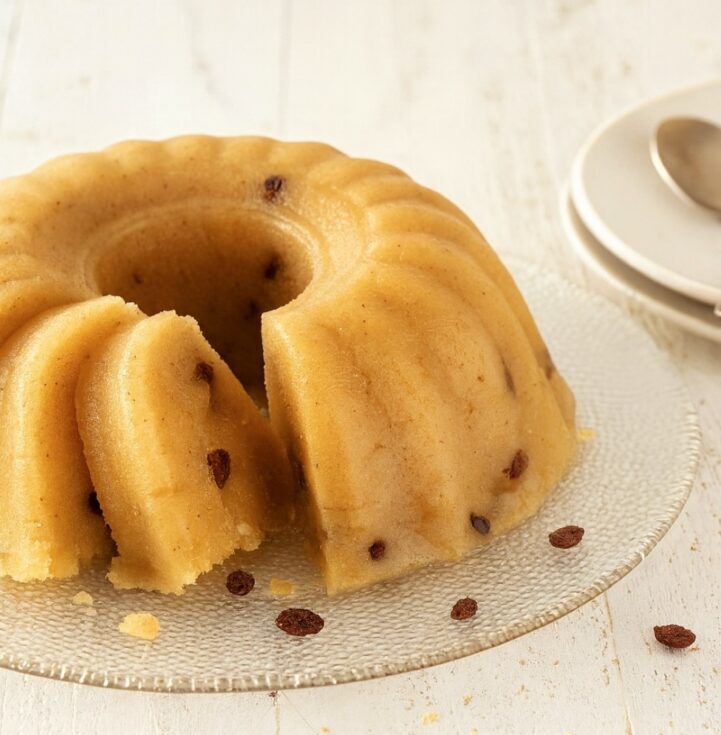
Have you ever experienced the divine taste of Greek halva? If not, you’re missing out on one of the most delectable treats to grace your palate. Halva, originating from the Middle East, has found its way into the hearts and homes of Greeks, becoming a beloved dessert and snack across the country.What makes Greek halva so special?
It starts with its unique texture – a delicate balance between crumbly and creamy, with a melt-in-your-mouth quality that’s simply irresistible.
Made primarily from semolina or tahini (sesame paste), sugar, and either oil or butter, Greek halva boasts a rich, nutty flavor that’s complemented by hints of vanilla, cinnamon, and sometimes even chocolate or citrus zest. But it’s not just the taste and texture that make Greek halva a standout dessert. Its cultural significance adds another layer of allure.
Often served during religious holidays, celebrations, and family gatherings, halva holds a special place in Greek tradition, symbolizing warmth, hospitality, and togetherness.Whether enjoyed as a sweet ending to a hearty meal or savored with a cup of strong Greek coffee, halva never fails to captivate with its simplicity and complexity intertwined. And with variations abound – from classic semolina halva to decadent chocolate halva – there’s a flavor for every craving and occasion.
So, next time you find yourself craving a taste of something extraordinary, seek out Greek halva. Let its heavenly aroma and sumptuous flavor transport you to the sun-kissed shores of Greece, where every bite is a celebration of life’s simple pleasures.
Crockery & ingredients love using—find them all here:My Mediterranean Greek Pantry
½ cup, 110gr Olive Oil
1 cup, 220gr fine semolina
1 cup sugar
2 cups water
½ cup walnuts, chopped
juice of 1 lemon
1 tsp cinnamon
1/2 tsp cardamom
1/3 cup raisins or cranberries ( optional)
Directions:
In a saucepan add sugar, lemon juice ,water and bring to a boil.
In a large pot heat the oil and add the semolina’ Stir constantly with a wooden spoon to allow the semolina to absorb the oil and become golden brown.
When you’ve achieved the right color remove the pot from heat and slowly pour in the warm syrup.
Stir with a wooden spoon and return the pot on the stove.
Add cardamom and cinnamon. Cook the halva (whilst stirring) until the mixture thickens and pulls away easily from the sides of the pan.
Remove from heat , stir in the walnuts, raisins or cranberries and cover with a towel and let it rest for 10 minutes.
Pour the halva mixture into a pudding mold or into individual bowls.
Let cool before serve.


September 30, 2023
Loving your recipes thank you
February 23, 2024
Sorry, what is the purpose of separating the 2 lots of raisins please?
February 23, 2024
Hi
There’s no segregation; the raisins, constituting 1/3 of the cup, are combined with the walnuts in the mixture.